The Gap Test: Why Chasing Free Delivery Cost Us £36.75 Across Ten UK Baskets
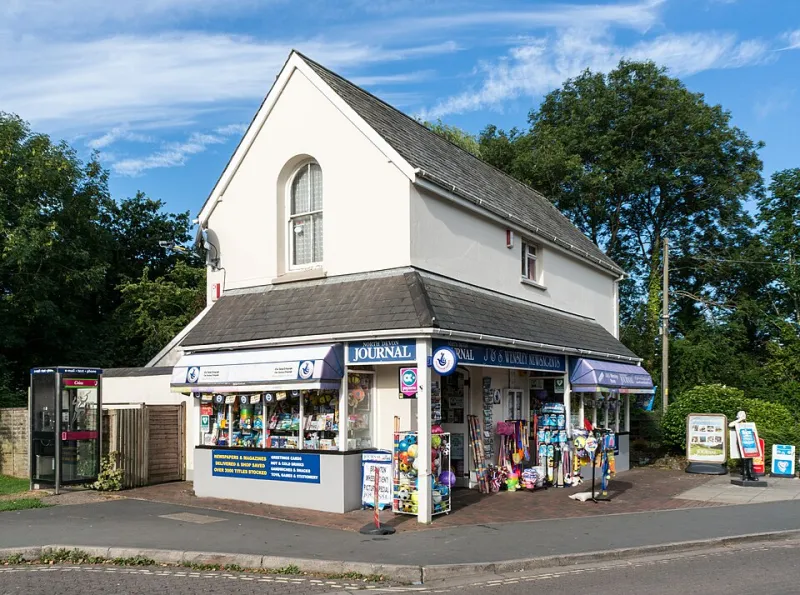
Photo: Dietmar Rabich, CC BY-SA 4.0, via Wikimedia Commons
There is a specific kind of shame in spending £12.40 to avoid a £3.99 delivery charge. We know, because we did it ten times in a fortnight, on purpose, with a spreadsheet open and a mug of tea going cold beside the laptop.
The plan was straightforward. Pick ten UK retailers with a free-delivery threshold. Build a basket that lands just underneath it — the way a real basket lands when you've added only what you actually wanted. Then top it up, check out, and see what arrives on the doorstep a few days later.
How we ran the test
We kept the rules deliberately boring so the results meant something. One basket per retailer, built from things already on a genuine shopping list — a birthday present, a replacement cable, a pair of school socks. No inventing needs. Then a single top-up order, capped at three items, chosen the way anyone would: sorting by price and picking the first thing that wasn't obviously useless.
Everything was logged, photographed and left in a corner of the spare room. Anything still unopened after 30 days went into the regret column, because if it hadn't been used in a month it wasn't a need, it was a tax on impatience.
What the top-ups actually cost
| Retailer | Threshold | Fee | Basket | Gap | We added |
|---|---|---|---|---|---|
| Amazon | £35 | £4.49 | £27.50 | £7.50 | £9.99 |
| Boots | £25 | £3.50 | £19.99 | £5.01 | £7.98 |
| ASOS | £35 | £3.99 | £28.00 | £7.00 | £8.00 |
| H&M | £40 | £3.99 | £32.00 | £8.00 | £9.99 |
| John Lewis | £50 | £4.95 | £41.00 | £9.00 | £12.00 |
| Argos | £50 | £4.95 | £44.99 | £5.01 | £9.00 |
| Currys | £40 | £5.99 | £34.99 | £5.01 | £8.00 |
| Dunelm | £49 | £3.95 | £43.00 | £6.00 | £8.00 |
| Superdrug | £25 | £3.95 | £21.49 | £3.51 | £4.50 |
| The Range | £40 | £4.95 | £36.99 | £3.01 | £4.00 |
Add the last column up and you get £81.46 of top-up spending across ten orders. The ten delivery fees we dodged would have come to £44.71. So the great free-delivery crusade cost us £36.75 net, and that's before we count the petrol nobody spent driving to a parcel shop.
Of that £81.46, £46.99 — call it £47 — was filler we'd class as pure regret: a spare phone cable, a plain white tee that fits like a bin bag, an HDMI lead for a telly that already had two, a cushion pad for a cushion cover we didn't own, a picture-hook kit, a pack of AA batteries and a set of tea towels bought because they were beige.
The worst offenders
The gap is the whole story, and it's the thing almost nobody calculates. The gap is how far your basket sits below the threshold. Compare it to the delivery fee. That's it. That's the entire decision.
ASOS wanted £7 more from us to unlock free delivery on a £3.99 fee. H&M wanted £8 to save £3.99. John Lewis wanted £9 to save £4.95. In each case we spent more than the fee to avoid the fee, which is the financial equivalent of buying a £12 umbrella to protect a £5 note.
Argos was the borderline case — a £5.01 gap against a £4.95 fee — which means the top-up was only worth it if the batteries were going to be bought anyway. They weren't. They're still in the drawer, still in the plastic, quietly judging us.
Where the maths actually worked
Three retailers handed us a genuinely rational choice. Currys had a £5.01 gap against a £5.99 fee, so adding an £8 cable was questionable but adding a £6 one would have been free money. Superdrug and The Range both had gaps smaller than their delivery charges, which meant a top-up was the sensible play provided the item had a life beyond the order.
That's the asymmetry people miss. Retailers set thresholds slightly above the typical basket, and the fee slightly below the typical gap. Sometimes those numbers cross over in your favour. You just have to look.
The returns trap nobody mentions
Here's the move plenty of shoppers try: add filler to hit the threshold, then return the filler once the parcel lands. It works less often than the internet suggests. Several of the retailers we dealt with recalculate the order total when a return drops you back below the threshold and re-bill the delivery — a few pounds here, sometimes a restocking charge there. Others deduct the original delivery cost from the refund.
And you still have to pack it, print a label and walk to a drop-off point. If your time is worth more than £3.99 an hour, the maths has already collapsed.
The three questions worth asking before you top up
- Is the gap smaller than the fee? If not, pay the fee. It is cheaper, and it comes with the bonus of not owning a beige tea towel.
- Would I buy this within 30 days at full price, unprompted? If the answer is a shrug, it's filler.
- Can I name the item before I open the site? Not 'something for the kitchen' — an actual product. If you can't name it, you're shopping to satisfy an algorithm, not a need.
What we'd do differently
Honestly? Pay the £3.99 more often. It felt like defeat at the time, but the parcels that arrived with nothing spare in them were the only ones we didn't resent. The £36.75 we torched on principle would buy a decent set of kitchen knives, or two and a half delivery fees a month for a year.
The threshold isn't a puzzle to solve. It's a number a retailer picked because it nudges average order values upwards. Knowing that doesn't make you immune — we built a spreadsheet and still ended up with a cushion pad for a cushion we don't own — but it does make the fee feel a lot less like a failure.