The Urgency Rehearsal: Seven Days, 20 UK Product Pages and the ‘Only 3 Left’ That Never Moved
Photo: Basher Eyre , CC BY-SA 2.0, via Wikimedia Commons
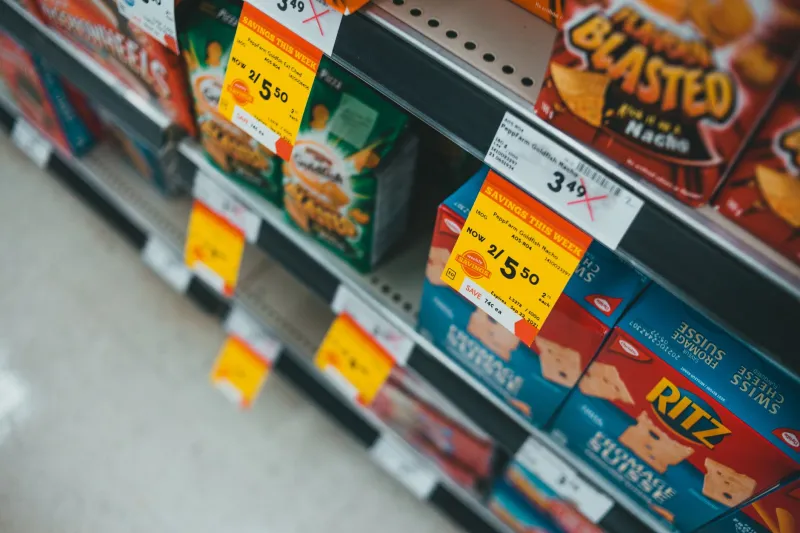
Scarcity is the oldest trick in the retail book, but in 2026 it wears a lanyard and calls itself a stock-management system. Earlier this month we opened 20 product pages from 20 UK retailers — one each, from a £19 phone cable to a £229 coat — and checked them four times a day for seven days. We did not buy everything. We did add items to baskets, let reservation timers run down and refresh in private windows. The question was simple: if a page says only three left, does anything actually happen when nobody clicks buy?
What we watched — and what we ignored
We logged low-stock counts, ‘selling fast’ labels, ‘in X baskets’ messages and checkout countdowns. We ignored delivery banners, newsletter pop-ups and cookie notices. We tracked the exact variant — size, colour, model — because a low-stock warning on a default colour can be real while the same warning on a niche size is often just the only one they stocked. We checked at 8am, 1pm, 6pm and 10pm. We used a normal browser and a private window. When we added to basket, we noted whether the timer held the item or merely decorated the page.
This was not a sting operation. Retailers have legitimate reasons to show stock pressure: online stock is allocated separately from shop floor stock, marketplace sellers can have three units in a spare room, and clearance lines really do run out. The aim was to separate a genuine nudge from a prompt that exists mainly to stop you thinking.
The sticky ‘Only 3 left’
Twelve of the 20 pages showed a low-stock message at least once. Six of those kept the same number for at least 72 hours. Three did not change for the full week. A £79 air fryer page said ‘Only 4 left’ on Monday morning and ‘Only 4 left’ on Sunday night. A £39 bedding set told us ‘Only 2 left’ in king size for five days; when we switched to double, it said ‘in stock’. That second example is a useful reminder: variant-level stock can be genuine. The first is harder to explain unless four units were genuinely sitting in a warehouse all week while people browsed and didn’t buy.
Maybe they were. We can’t see the warehouse. But the page gave us no way to tell, and that is the point. A stock number that never moves starts to look less like information and more like furniture.
Badges that behaved like weather
‘Selling fast’ labels came and went. On one retailer, a headphones page had no badge at 8am, ‘selling fast’ at 6pm and nothing again at 10pm — while the stock line stayed at ‘in stock’. Another showed ‘selling fast’ only when our basket already contained two other items; in a private window it vanished. That is not proof of anything sinister. It may be personalised merchandising, or a demand spike. But a badge that changes with your basket is a nudge, not a stock report.
‘In 14 baskets’ messages were similarly loose. One page showed the same basket count at 9am and 5pm, which could mean steady demand or a cached number. Either way, it tells you what other people are doing, not what is left.
The countdown test
Five retailers used a checkout reservation timer. We let each one expire. Two did what they said: after the timer ran out, the item disappeared from the basket and the product page went from ‘Only 1 left’ to ‘Only 2 left’. That is what inventory release looks like. Three others reset the clock when we refreshed, or let us return to the basket with the same item still held. One countdown paused when we switched tabs. If a timer can be refreshed back to 10 minutes, treat it as atmosphere.
We also tried the quantity trick. On one page that claimed ‘Only 2 left’, the basket accepted six and checkout did not flinch. On another, checkout capped the quantity at two and the delivery estimate changed from next day to three to five days as the count fell. The second felt like a shop. The first felt like a slogan.
Why genuine scarcity still exists
None of this means every warning is fake. We saw hard signals on a handful of pages: quantity caps at checkout, dispatch dates that slipped as stock fell, and a low-stock count that rose by one after a reservation expired. Those are the moments when urgency is doing a job. A low-stock message that comes with a specific, worsening delivery promise is more useful than a red badge and a spinning clock.
With Black Friday 2026 around the corner, these prompts will multiply. That makes the soft signals easier to spot — and easier to ignore.
The checklist we now use
- Check the variant first. ‘Only 2 left’ on a popular size may be real. The same line on a default colour is often just the only one they stocked.
- Try the quantity trick. If the page says two left but the basket accepts ten, the warning is soft until checkout proves otherwise.
- Refresh in a private window. If the countdown resets, it is not holding your item. If the stock line changes, pay attention.
- Wait 24 hours if you can. A genuine low-stock count will usually move, sell out or come with a worse delivery date. A theatrical one tends to sit there.
- Compare the price, not the panic. Urgency plus a ‘was’ price is double pressure. Check the price history before you let a timer make the decision.
- Ask what changes if you wait a day. If the answer is nothing except the badge, you have your answer.
The bottom line
Our week with 20 pages didn’t find a single retailer doing anything illegal. We found a lot of soft signals doing the work of hard ones. Urgency is sometimes real, but it is almost always monetised. The useful question isn’t ‘Is this true?’ It’s ‘What would I lose by waiting?’ If the item is a gift with a deadline, the deadline is real. If the only deadline is a countdown that resets when you refresh, it is probably there to hurry you along.